If you’re a former student-athlete, coach, or someone who works in student-athlete development, you may disagree with what I’m about to say — and that’s okay. Some of my closest friends are coaches and former athletes, and we’ve had plenty of debates about this topic. But difficult conversations matter, especially when we repeat ideas that sound good without fully examining whether they’re true.
Here’s the truth I’ve come to believe: being a student-athlete does not automatically prepare you for life after sports.
We constantly hear that athletics teaches leadership, discipline, time management, teamwork, resilience, and communication skills. While sports can help develop those things, I no longer believe they happen automatically just because someone wore a jersey.
Why I Believe This?
I say this from experience. I was a student-athlete in high school and was fortunate enough to attend college through athletics. Since then, I’ve worked with elite athletes, collaborated with organizations focused on athlete development, written books, built businesses around helping athletes transition beyond sports, and spoken at conferences and universities about student-athlete success.
Over time, I started comparing what I was told about athletics with what I actually experienced — both personally and professionally. The gap between the two became impossible to ignore.
Compliance vs. Development
People often say sports teach time management, but did they really?
Personally, I didn’t learn time management from athletics. I learned to avoid punishment:
Do what you need to do so you don’t run extra.
Stay eligible so you can keep playing.
Handle your responsibilities so your coach doesn’t get on you.
That’s not necessarily maturity or self-discipline. That’s responding to external consequences.
A structured environment can create compliance without creating independence. There’s a difference between someone who manages themselves and someone who only functions well inside a controlled system. Many athletes spend years in environments where schedules, accountability, and expectations are managed for them. Once sports end, the structure disappears — and many realize they never truly learned how to lead themselves.
Transferable Skills Aren’t Automatic
One of the biggest myths in athletics is the idea of “transferable skills.” The key word is transferable. Sports may give you the potential to develop certain skills, but potential alone means nothing without intentional growth.

A piano player develops finger dexterity, which could help them type faster on a keyboard. But playing piano does not automatically make someone a skilled typist. The same is true in sports.
Just because someone practiced hard, competed at a high level, or followed a demanding schedule does not automatically mean they developed leadership, emotional intelligence, networking skills, communication skills, or career readiness. Those things require reflection and intentional application beyond athletics.
The “NARP” Problem
One of the most eye-opening moments I’ve had came while speaking to college athletes who used the term “NARP” — non-athletic regular people. Some admitted they felt uncomfortable around people outside sports culture.
That should concern us because eventually most athletes will work in environments filled with non-athletes. The professional world is not a locker room.
If someone struggles to connect with people outside athletics during college, how prepared are they really for life after sports? Even the sports industry itself depends on accountants, marketers, communications professionals, administrators, and executives — many of whom never played sports.
The Discipline Myth
Here’s another uncomfortable question: if sports automatically teach discipline and healthy habits, why do so many former athletes completely abandon fitness after their playing careers end?
Many former athletes stop working out entirely once sports are over. Some struggle with routine, motivation, identity, and health. If the habits were truly internalized, wouldn’t they continue after the scoreboard disappeared?
Again, this doesn’t mean sports are useless. It simply means many athletic habits are conditional — tied to structure, accountability, and competition rather than personal ownership.
Who’s More Prepared for Life?
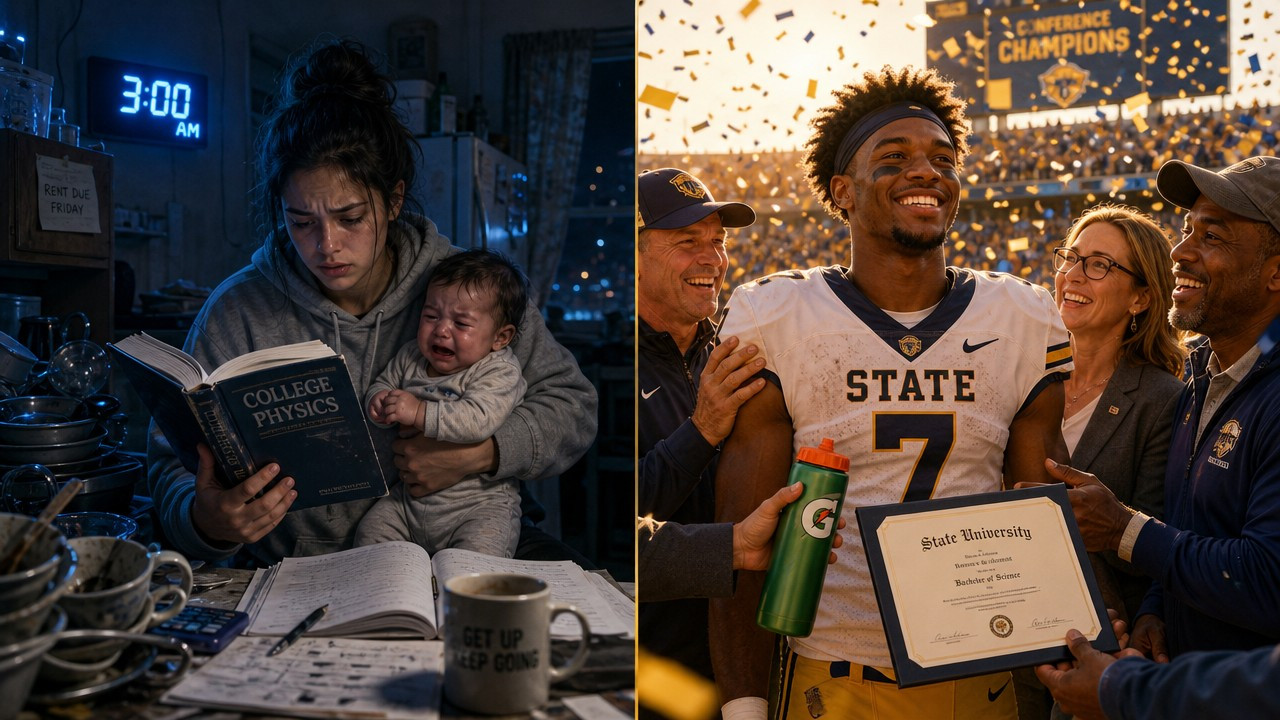
Imagine two students:
One is a star athlete at a major university with tutors, advisors, coaches, academic support, and an entire institution invested in keeping them eligible.
The other is a student working a job, raising a child, paying bills, managing stress alone, and still attending class every day.
Who is developing more real-world problem-solving skills? Who is practicing independence daily? Who is learning how to advocate for themselves?
This doesn’t diminish the athlete’s hard work. Elite athletics is demanding. But we have to stop pretending every form of struggle develops the same life skills.
Why the Narrative Continues
So why do we keep hearing that sports automatically prepare athletes for life?
Because the narrative serves a purpose. It helps justify the sacrifices, the travel, the time demands, the promotion of social isolation, and the overall structure of modern athletics. How can we say we are focusing on life skills, career skills and student athlete development when we have no problem creating athletic conferences where students are forced to miss weeks of class to play conference games that’s on the other side of the country? How can we say we focus on life skills and career skills for student athletes but when a coach loses too many games nobody mentions if they are developing the student athletes even though their losing. We have to admit that we only care about winning and everything else serves as flowery speech in order to make pretty brochures for recruitment trips.
It also serves as connective tissue for previous student athletes in college that would like to feel like they still belong to the world of athletics. Because once an athlete, always an athlete right? Even though your back is big as my refrigerator is wide and you have to walk side ways in order to walk forward because you haven’t been taking care of yourself.
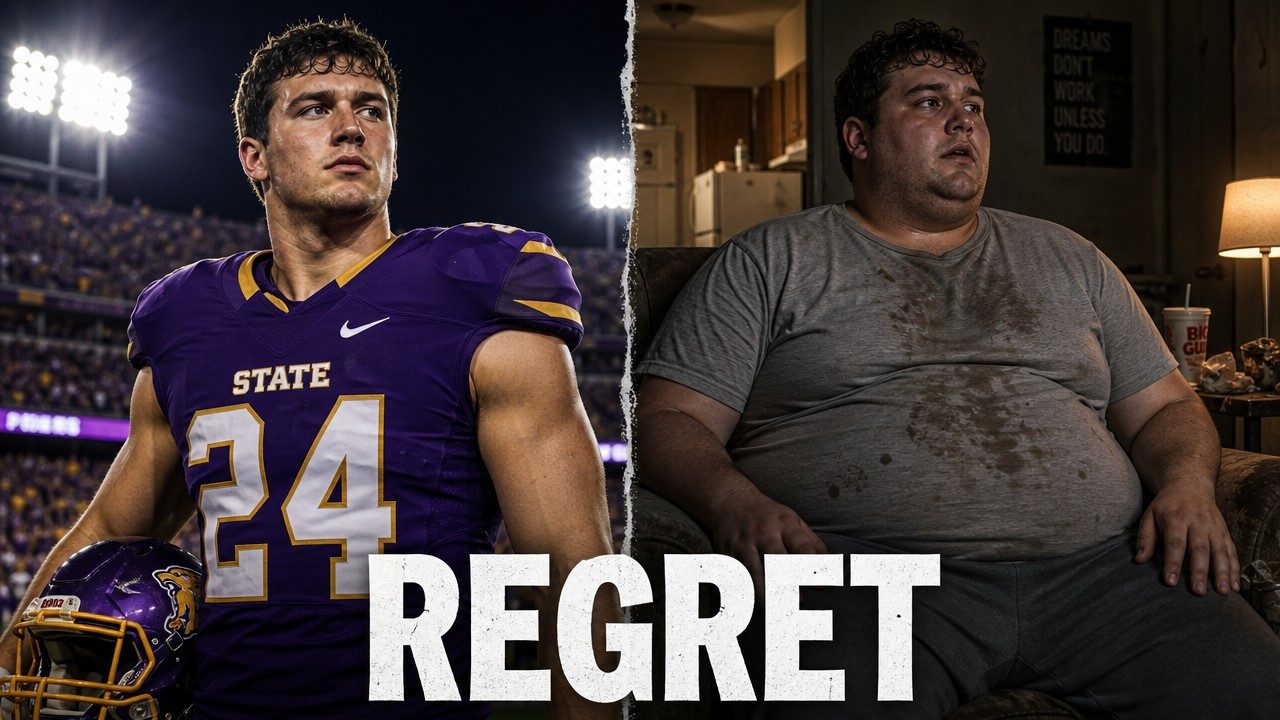
It sounds better to say athletics is “preparing you for life” than to admit athletics is primarily preparing you to compete.
Those are not always the same thing.
The Real Message
This isn’t meant to discourage athletes. It’s meant to challenge them.
Sports can absolutely be valuable. Athletics can create opportunities, confidence, relationships, and growth. But none of those things happen automatically.
If you’re a student-athlete, you must intentionally develop yourself beyond your sport:
Build relationships outside athletics.
Learn communication and leadership skills outside the locker room.
Explore career interests.
Network.
Develop emotional intelligence.
Learn how to function beyond athletic identity.
Do not become a passenger in your own student-athlete experience.
Because eventually the season ends, the jersey comes off, and your identity has to stand on its own.
This isn’t a doom and gloom post. This is a don’t believe the hype if you are a current collegiate student athlete and understand that you and you alone are responsible for developing in the areas of life skills and career skills. It’s not baked in the curriculum as a collegiate student athlete. Do not be fooled.
The athletes who thrive after sports are usually not the ones who only mastered their game ; they’re the ones who also mastered themselves by not waiting on their career to be over to work on what we discussed and by prioritizing www.jobs4studentathletes.com for all your career blogs and career options for previous collegiate student athletes looking for what’s next.
#studentathlete
#collegestudentathlete
#studentathleteadvice